Straight Up Stylish: How to Dress a Rectangle Shape
A rectangle body shape gives you a beautifully balanced starting point. Your shoulders and hips are naturally similar in width, creating a straighter silhouette with fewer obvious curves and a less defined waistline.
But here’s the fun part: a rectangle shape is like a blank canvas when it comes to styling. With the right cuts, proportions and details, you can create the illusion of curves exactly where you want them.
In styling, we focus on creating the appearance of shape by adding definition at the waist, building gentle curves through the shoulders and hips and creating balanced proportions from top to bottom.
It's not about changing your body. It's about using clothing strategically to enhance your natural shape in a way that feels comfortable, confident and effortless.

Understanding the Rectangle Shape
A rectangle body shape is typically more evenly balanced from the shoulders through to the hips with fewer natural curves and a less defined waistline. Your shoulders and hips are usually a similar width and you may find that your waist isn't naturally as noticeable.
The good news? You have a wonderful foundation for creating shape simply through the clothes you choose.
By using structure, layering, waist definition and carefully placed volume, you can create the appearance of curves without having to wear anything overly tight, uncomfortable or complicated.
Below are my top 4 styling tips for rectangle shapes.
1. Define the Waist
The quickest way to create the appearance of an hourglass silhouette is to introduce some waist definition.
This doesn't mean squeezing yourself into anything tight or restrictive. It's about using clever styling techniques to create shape where you want it.
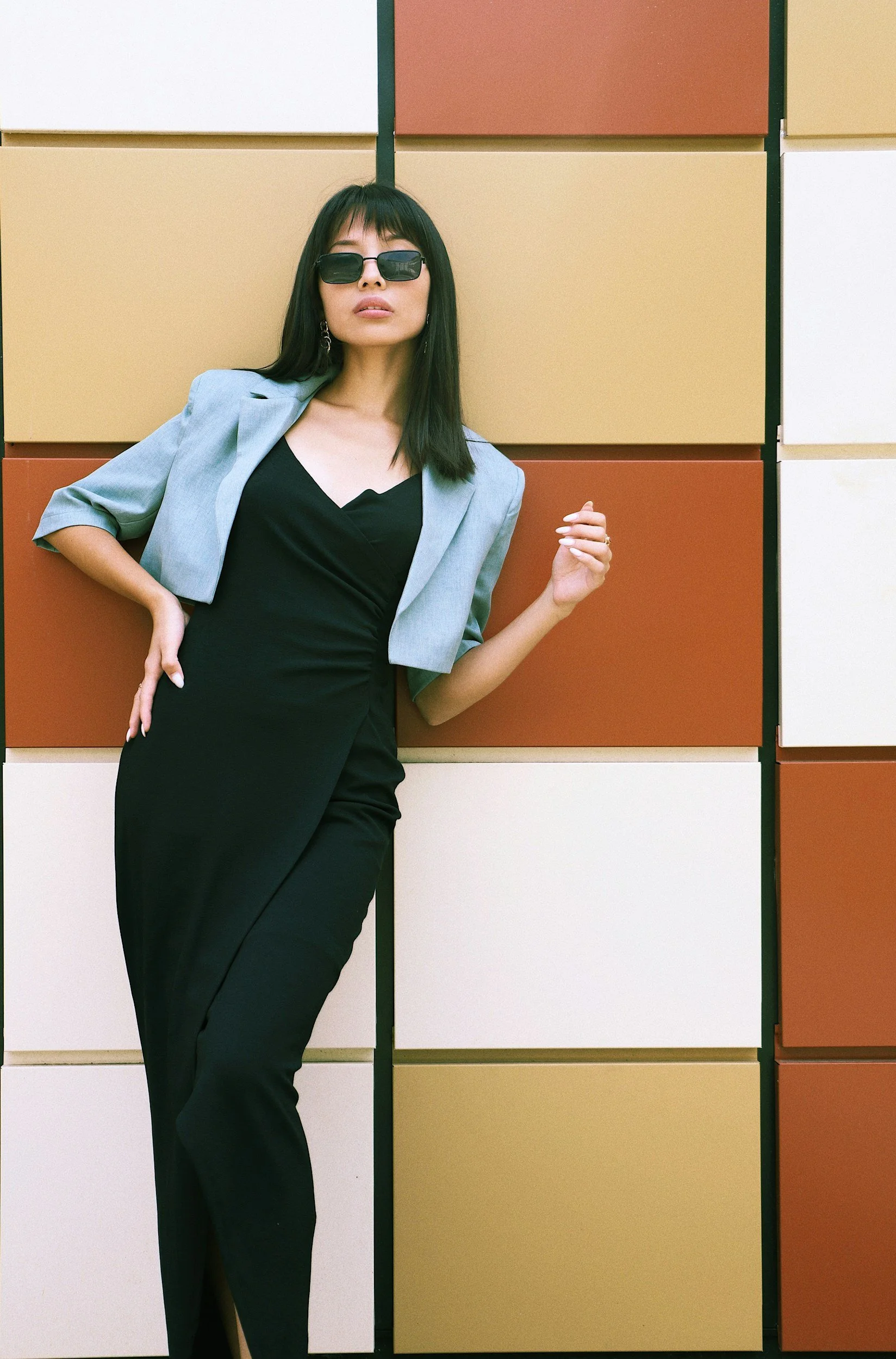
Tailoring, belts, tops with gentle shaping and strategic front tucks can all help create the illusion of a more defined waist. Cropped jackets that finish around the waistline can also break up a longer torso and add proportion.
Think of it as giving your outfit a little direction: waist, this way please.
2. Build Shape from the Shoulders and Hips
For the rectangle body type, balance is created by working with the whole outfit rather than focusing on just one area.
Adding subtle structure through the shoulders with blazers, shoulder pads, wider necklines or puff sleeves creates more definition through the upper body.
Then, introducing gentle volume through A-line skirts, wide-leg trousers, pleated styles or pockets around the hips can help create the appearance of curves on the lower half.
Together, these elements create a more shaped silhouette and the visual outline of an hourglass figure.
The trick is not to add volume everywhere. That would be chaos. Instead, place it strategically where it helps create shape.
3. Add Interest Where You Want to Create Curves
Rectangle shapes suit styling details that add dimension, movement and visual interest.
Think textured fabrics, layering, pockets, peplum details, statement belts and interesting necklines.
Rather than keeping everything straight and simple, use these details strategically to create visual curves. The clothing does the work for you, guiding the eye and creating shape without adding unnecessary bulk.
A peplum, a beautifully placed belt or pockets around the hips can create the suggestion of curves even when the garment itself isn't particularly fitted.
4. Create Curves with Layering and Proportions
Layers are one of the easiest ways to add shape to a rectangle body.
Structured blazers, cropped jackets, waistcoats and shorter knitwear can all help define the waist while creating balance across the body.
Necklines also play an important role. Scoop necks, sweetheart necklines, soft V-necks and open collars can soften straighter lines and add femininity and shape through the upper body.
When you combine waist definition with balanced proportions, your natural silhouette can be enhanced beautifully.
It's all about creating curves in a way that feels effortless and true to your personal style.
Rectangle Shape Celebrity Style Inspiration
A number of celebrities are often described as having a rectangle or relatively straight body shape and they are excellent examples of how clothing can be used to create curves, define the waist and add dimension.
Natalie Portman
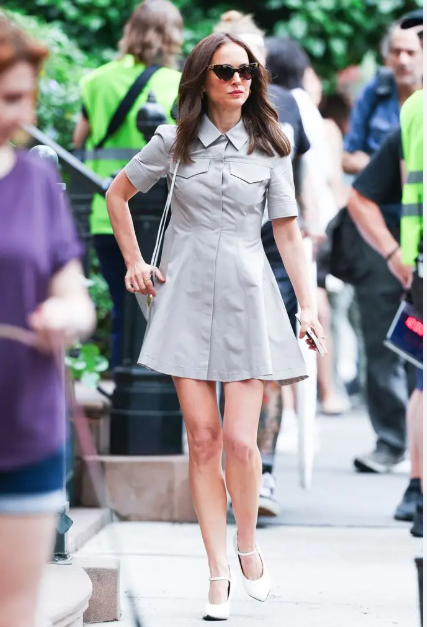
Natalie Portman often uses fitted dresses, waist definition and fuller skirts to create a beautifully curved silhouette. Structured shoulders and feminine necklines also add shape through her upper body.
Her styling secret: She often defines the waist and adds volume or movement around the skirt to create the appearance of an hourglass shape.
Cameron Diaz
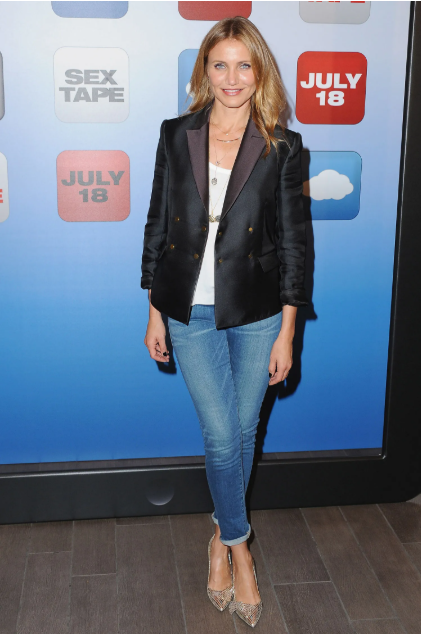
Cameron Diaz often creates shape through tailored jackets, fitted waists and carefully balanced proportions. She frequently uses clean tailoring while adding structure through the shoulders and definition through the waist.
Her styling secret: A structured upper body combined with waist definition helps create shape without looking overly styled.
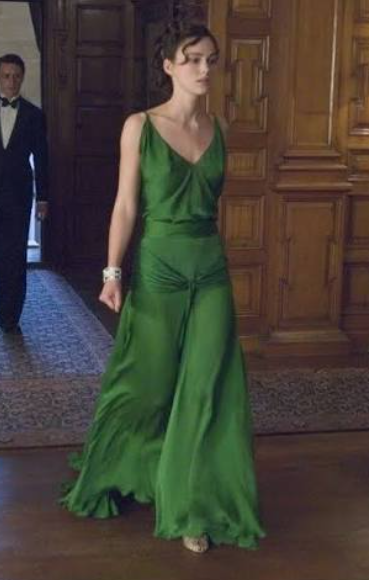
Keira Knightley
Keira Knightley often uses romantic details, interesting necklines and waist-defining silhouettes to soften and shape her naturally straighter frame. Dresses with belts, fuller skirts and textured fabrics work particularly well for her.
Her styling secret: She adds softness, detail and volume in strategic places to create a more curved and feminine silhouette.
The Rectangle Shape: The Takeaway
Dressing a rectangle shape isn't about trying to force curves where there aren't any.
It's about understanding how clothing can create shape, dimension and balance.
By defining the waist, adding structure through the shoulders, introducing gentle volume through the hips and using details strategically, you can create a beautifully balanced silhouette that enhances your natural proportions.
The beauty of a rectangle body shape is its versatility. You can create curves when you want them, keep things sleek and streamlined when that suits your style or play with proportions depending on the occasion.
Your body doesn't need fixing. You simply need to understand how different garments can work with your proportions.
And remember: sometimes the outfit needs to bring the curves so you don't have to.