Sustainable Fabrics: The Best Choices for Your Wardrobe
When building a more sustainable wardrobe, the fabric composition of your clothes matters. But choosing better fabrics doesn't have to mean searching for a garment made from one "perfect" fibre.
The reality is that sustainability in fashion is complex. How a fibre is grown or produced, how much energy and water it requires, how it is processed, how long the garment lasts and whether you will actually wear it all play a role.
That said, some fabrics are generally better choices than others.
Here are the fabrics I would prioritise when shopping for a wardrobe that is not only stylish and timeless but also more considered.
1. Linen and Flax
Linen is one of my favourite choices, particularly for the Australian climate.
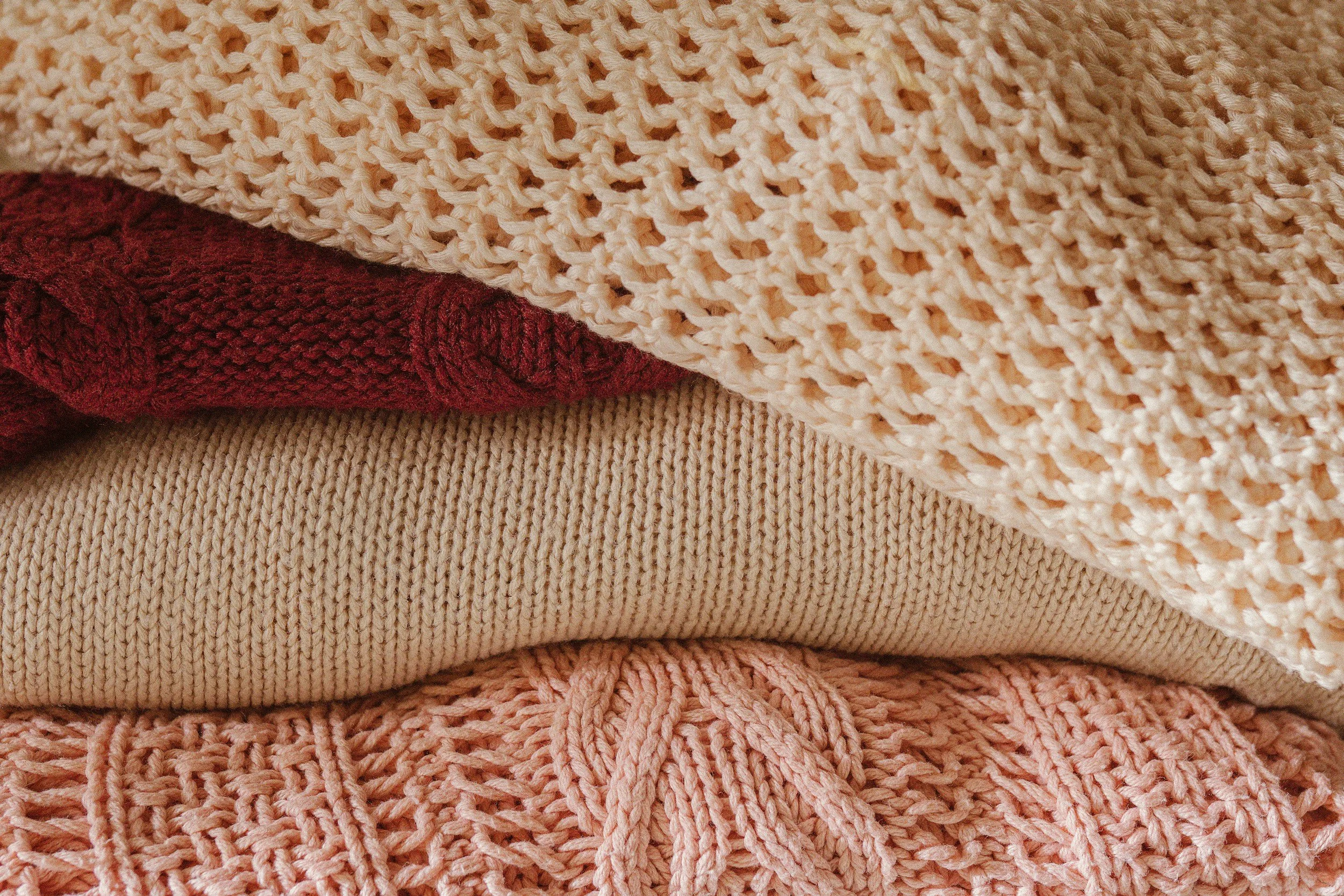
Made from the flax plant, linen is breathable, durable and biodegradable. It works beautifully for shirts, trousers, dresses, skirts and lightweight summer tailoring.
It can feel slightly stiff when new and is known for creasing but one of its best qualities is that it becomes softer and more comfortable with wear and washing.
Best for: Shirts, trousers, dresses, skirts, blazers and summer clothing.
2. Hemp
Hemp is another excellent natural fibre that deserves more attention.
It is exceptionally durable, breathable and comes from a crop that can generally be grown with relatively low agricultural inputs. Hemp clothing can feel a little coarse at first but it softens with wear and is often blended with other fibres such as linen or cotton to improve softness and comfort.
Best for: Casual shirts, trousers, dresses, jackets and everyday separates.
3. Lyocell and TENCEL™
Lyocell is one of my personal favourites for soft, comfortable clothing.
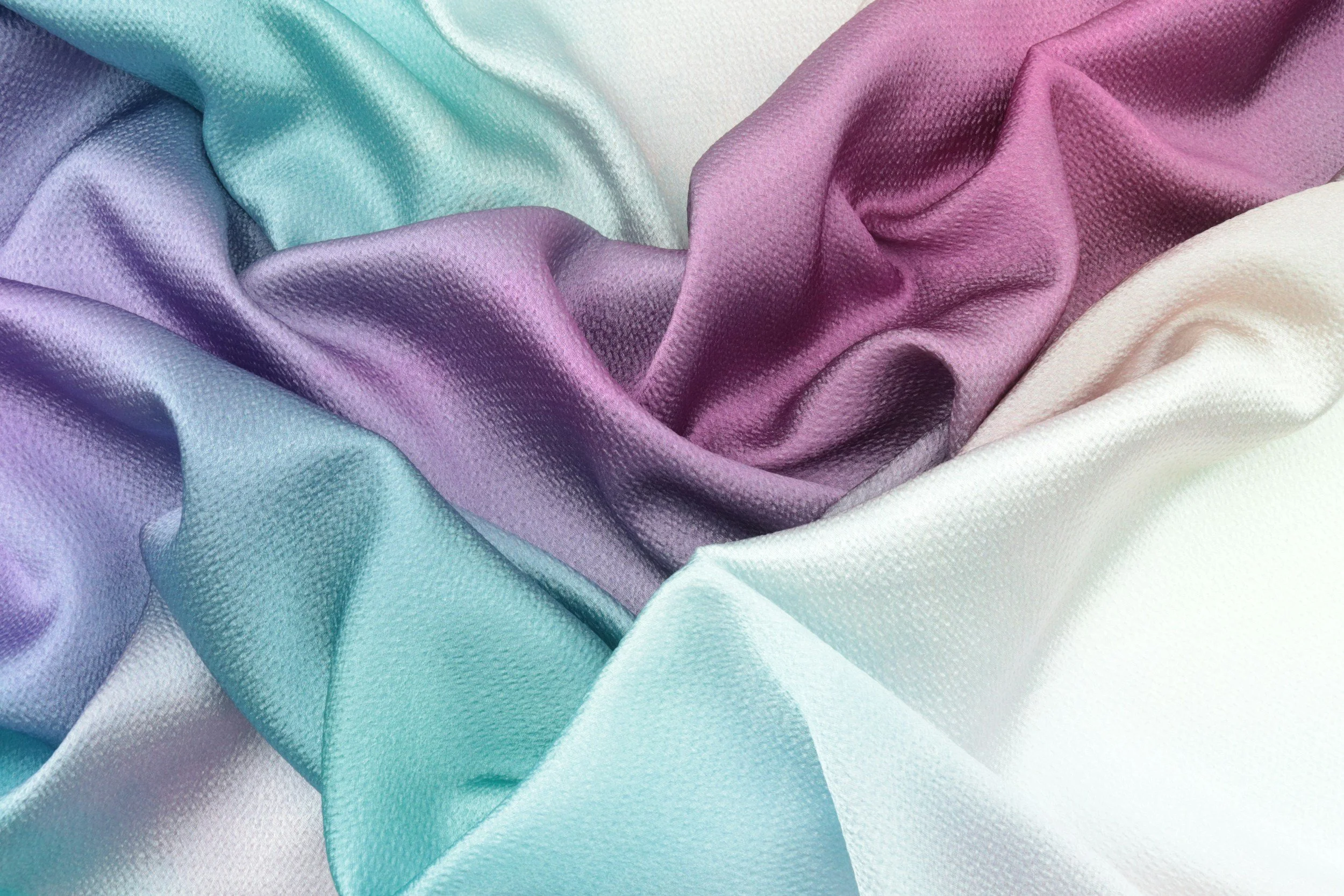
It is smooth, breathable and has a beautiful drape, making it particularly flattering for blouses, dresses, skirts and relaxed trousers. TENCEL™ Lyocell is a branded form of lyocell produced using a more controlled manufacturing process.
However, not every fabric labelled as rayon or cellulose-based is produced in the same way. I would look for lyocell or TENCEL™ from reputable and transparent manufacturers rather than assuming all similar fabrics have the same environmental credentials.
Best for: Dresses, blouses, T-shirts, trousers and soft tailoring.
4. Organic Cotton
Organic cotton can be a good choice for everyday wardrobe essentials such as T-shirts, underwear, dresses and casual separates.
When possible, look for recognised certifications such as GOTS, which provide additional assurance around organic fibre content and processing standards.
Cotton is comfortable, breathable and versatile but it is still worth considering how much you buy. A well-made organic cotton T-shirt that you wear for years is likely to be a better choice than repeatedly buying inexpensive replacements.
Best for: T-shirts, shirts, underwear, dresses and everyday basics.
5. Wool
Wool is one of the most useful fibres for a timeless winter wardrobe.
It is warm, durable and naturally odour-resistant, making it ideal for knitwear, coats, tailoring and outerwear. A high-quality wool garment can also last for many years when properly cared for.
Its environmental impact is more complex because livestock farming has its own environmental considerations, so responsible sourcing and animal welfare standards matter.
Best for: Jumpers, coats, blazers, trousers and winter clothing.
6. Modal
Modal is incredibly soft and comfortable, which makes it a popular choice for underwear, pyjamas, T-shirts and lightweight basics.
Like lyocell, modal is a cellulose-based fibre, but production methods and sourcing can vary. I would choose responsibly sourced modal from a transparent manufacturer over generic modal where there is little information about how the fibre was produced.
Best for: Underwear, pyjamas, T-shirts and soft basics.
Fabrics I Would Be More Cautious About
This doesn't mean you should immediately throw these fabrics out of your wardrobe. The most sustainable garment is often the one you already own and continue to wear.
However, when buying new clothing, these are the fabrics I would think twice about.
Acrylic
Acrylic is generally one of my least favourite choices from an environmental perspective. It is synthetic, derived from fossil fuels and can shed microfibres during washing.
Virgin Polyester
Polyester is durable, inexpensive and widely available, but virgin polyester is made from fossil fuels and can contribute to microfibre pollution.
That said, polyester can sometimes be useful in small percentages within a fabric blend when it significantly improves durability, shape retention or garment performance.
Nylon
Nylon has similar concerns. It is a synthetic fibre made from fossil-fuel-derived materials and can also release microfibres.
Conventional Viscose or Rayon
Viscose and rayon are not necessarily "bad" fabrics, but their environmental impact can vary significantly depending on where the raw material comes from and how the fibre is processed.
Look for transparent brands and responsibly sourced alternatives where possible.
Bamboo Viscose
Don't assume a fabric is automatically sustainable simply because the original plant is bamboo.
Bamboo itself grows quickly, but turning bamboo into a soft viscose fabric can involve intensive chemical processing. Always look beyond the marketing description and consider how the fibre was actually produced.
The Bottom Line
A more sustainable wardrobe is built by choosing garments you genuinely love, that suit your lifestyle and personal style and that you will continue wearing for years.
So before buying, check the fabric label. Consider the quality and construction. Think about how often you will wear the piece.
Because ultimately, a beautifully made linen shirt that you wear for ten years is likely to be a far better wardrobe investment than five cheaper alternatives that quickly lose their shape, fall apart or end up forgotten at the back of your wardrobe.
Buy less. Choose well. Wear it often.